This 12-week online program equips participants with evidence-based strategies to integrate neuroscience, emotional intelligence, and personal well-being into their leadership for more resilient, sustainable performance.
Examine current challenges in child and adolescent mental health care and apply updated evidence-based psychotherapies, including Parent-Child Interaction Therapy and Trauma-Focused Cognitive Behavioral Therapy, to modern clinical practice.
Learn about the immunological principles of allergic diseases, including asthma, food allergies, and atopic dermatitis, and explore how these conditions can be treated and prevented.
Explore the interplay between disease and human populations by gaining practical insight into mechanisms for disease control and population health management through worldwide examples, and examine key concepts.
To address your physical fitness needs, you’ll want a mix of aerobic, strength training, and balance exercises. Learn how to create an effective workout plan in this special online course.
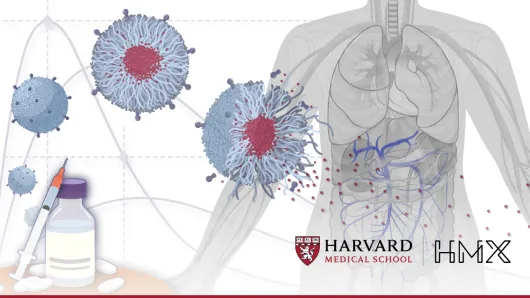
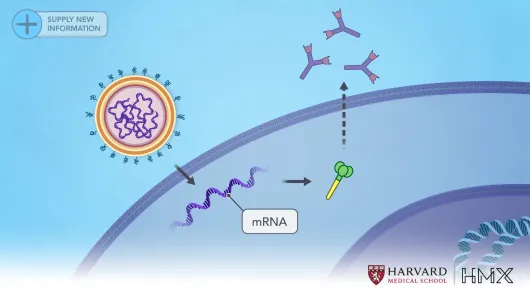
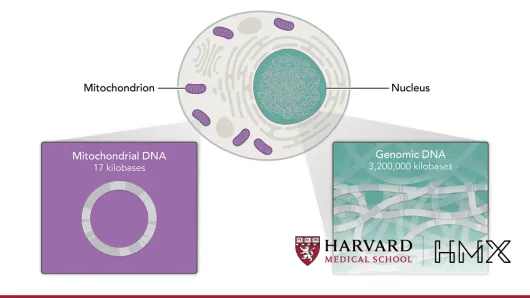
This advanced course offers a unique way for professionals to learn from leading Harvard Medical School faculty and industry leaders about nucleic acid therapeutics.
Explore the intricate dynamics that shape the U.S. health care payer landscape, including the roles of private insurers, government programs such as Medicare and Medicaid, ACA-sponsored state exchanges, and self-pay options.
Gain insight into the sources of back pain through this course. Harvard Health Publishing will provide strategies on how to successfully overcome and eliminate back pain.
Examine how social determinants shape health outcomes for individuals and communities, and delve into various social, economic, and environmental factors that impact health disparities and inequalities.
This immersive, two-day Harvard Medical School Executive Education program equips health and wellness professionals with evidence-based lifestyle medicine tools to drive whole-person health and sustainable behavior change.
Pain can strike any joint in your body, from your shoulders, elbows, and wrists to your hips, knees, and ankles. Don’t take the pain sitting down; your best defense is exercise.
This advanced course offers a unique way for professionals to learn from leading Harvard Medical School faculty and industry leaders about nucleic acid therapeutics.
In partnership with the Disparities Solutions Center at Massachusetts General Hospital, this course will help you deliver high-quality health care to all through organizational change.