Course description
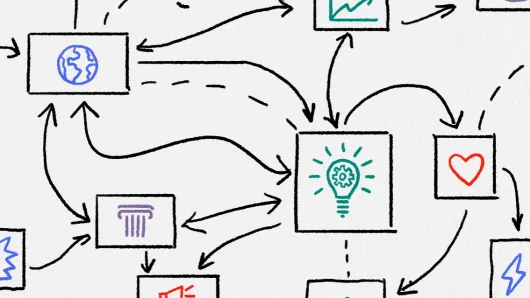
The world faces complex, interconnected challenges—climate change, economic inequality, educational disparities, lack of affordable health care, water scarcity, and food insecurity. Social entrepreneurs are tackling these issues by building mission-driven nonprofit and for-profit organizations. But what sets these entrepreneurs apart from the rest? How do they create lasting impact where governments and markets can fall short?
In this course, Harvard Business School Senior Lecturer Brian Trelstad explores the field of social entrepreneurship, examining how entrepreneurs can transform broken systems to drive meaningful change. By staying open to learning, seeing the big picture, and understanding people's needs, social entrepreneurs can create solutions that grow and make a lasting impact on communities and society.