What you'll learn

  • Interpret maxillary sinus anatomy and CBCT findings to support safe surgical planning.

  • Differentiate the indications, advantages, and limitations of lateral window and crestal sinus augmentation techniques.

  • Select appropriate grafting materials and determine optimal implant placement timing.


  • Perform predictable sinus elevation procedures using contemporary surgical techniques and instrumentation.

  • Recognize, prevent, and manage common surgical complications.

  • Apply evidence-based decision-making to posterior maxillary implant treatment planning.

Course description

Through evidence-based lectures and an immersive hands-on workshop, participants will develop practical skills in lateral window and crestal (transalveolar) sinus augmentation while learning strategies to prevent and manage surgical complications.


Hands-On Learning Outcomes

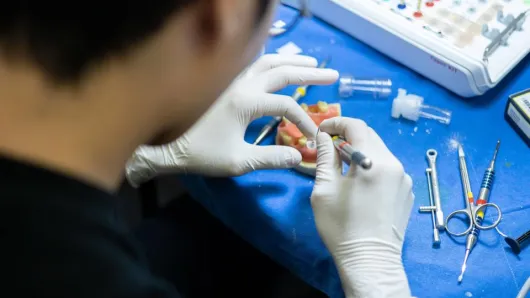
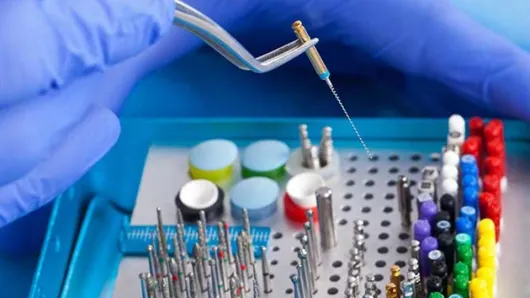
Participants will rotate through three faculty-guided surgical stations designed to reinforce the morning's scientific sessions through supervised, hands-on practice. Working with contemporary instrumentation, participants will refine their surgical technique while receiving individualized instruction from Harvard School of Dental Medicine faculty.

By the end of the workshop, participants will be able to:

  • Prepare a properly positioned lateral window using multiple instrumentation techniques.
  • Perform controlled Schneiderian membrane elevation while recognizing early signs of membrane compromise.
  • Execute crestal sinus elevation using appropriate sequencing, depth control, and hydraulic pressure principles.

Instructors

Chair, Oral and Maxillofacial Surgery Walter C. Guralnick Associate Professor of Oral and Maxillofacial Surgery
Lecturer on Oral Medicine, Infection and Immunity

You may also like