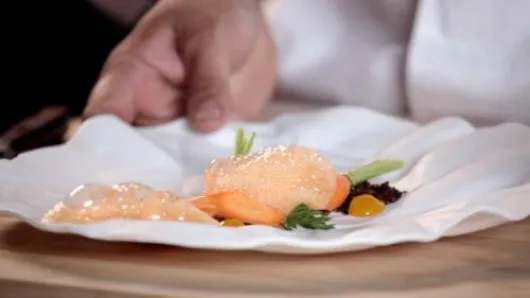
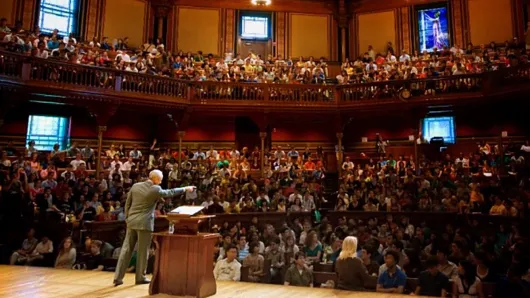
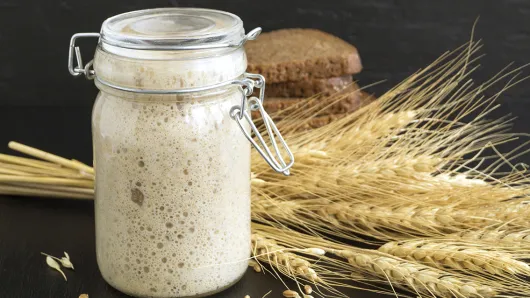
Top chefs and Harvard researchers explore how everyday cooking and haute cuisine can illuminate basic principles in chemistry, physics, and engineering. Learn about food molecules and how chemical reactions can affect food texture and flavor.
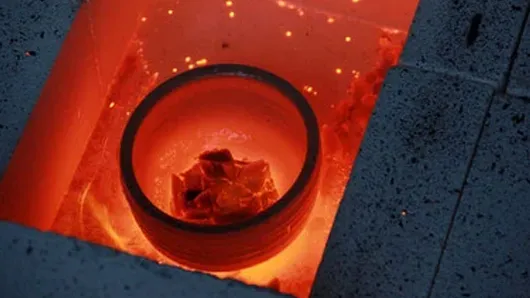
Top chefs and Harvard researchers explore how traditional and modernist cooking techniques can illuminate basic principles in chemistry, physics, and engineering. Learn about elasticity, viscosity, mayonnaise, baking, and more!
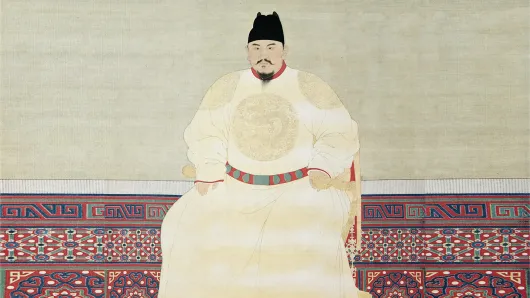
Why should we care about Confucius? Explore ancient Chinese philosophy, ethics, and political theory to challenge your assumptions of what it means to be happy, live a meaningful life, and change the world.
Learn how American women created, confronted, and embraced change in the 20th century while exploring ten objects from Radcliffe’s Schlesinger Library.
Learn skills and tools that support data science and reproducible research, to ensure you can trust your own research results, reproduce them yourself, and communicate them to others.
This course introduces learners to Machine Learning Operations (MLOps) through the lens of TinyML (Tiny Machine Learning). Learners explore best practices to deploy, monitor, and maintain (tiny) Machine Learning models in production at scale.
In Remote Work Revolution for Everyone, you will learn to excel in the virtual-work landscape. You will learn how to build trust, increase productivity, use digital tools intelligently, and remain fully aligned with your remote team.
Learn about the Quran, the central sacred text of Islam, through an exploration of the rich diversity of roles and interpretations in Muslim societies.
Gain an understanding of history, museum studies, and curation by looking at, organizing, and interpreting art, artifacts, scientific curiosities, and the stuff of everyday life.
Explore the roles that microbes play in the production, preservation, and enhancement of diverse foods in a variety of culinary traditions, and learn about the history of food fermentations.