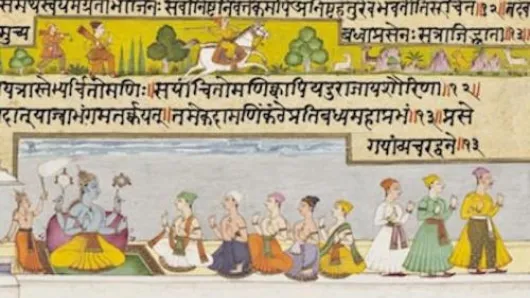
This course examines the Sikh scripture from a doctrinal and historical perspective by providing an overview of Sikh teachings as well as the historical context within which the scripture evolved and became canonized.
Explore the fundamental principles that guide ethical decision-making within health care environments: patient autonomy, the obligation to do good, the obligation to avoid harm, and justice.
Explore the archaeology, history, art, and hieroglyphs surrounding the famous Egyptian Pyramids at Giza. Learn about Old Kingdom pharaohs and elites, tombs, temples, the Sphinx, and how new technology is unlocking their secrets.
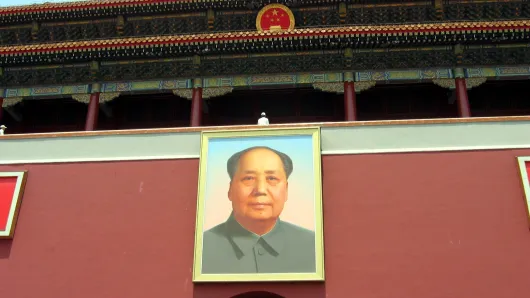
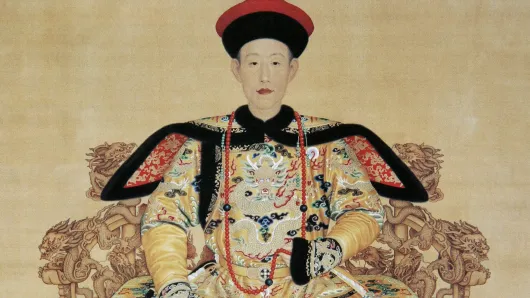
Led by Harvard Instructors and historians, you will discover China’s return to power through political, social, and economic growth in relation to other countries.
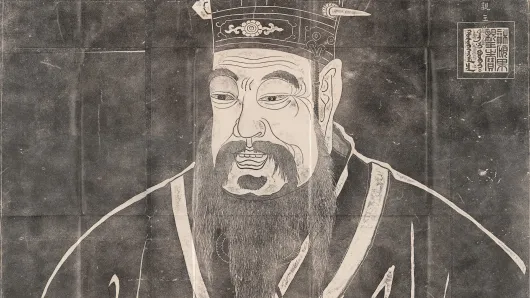
Why should we care about Confucius? Explore ancient Chinese philosophy, ethics, and political theory to challenge your assumptions of what it means to be happy, live a meaningful life, and change the world.
Examine how great modern writers capture the intricacies of our globalized world and how their works circulate within that world to find their own audiences.