Course description
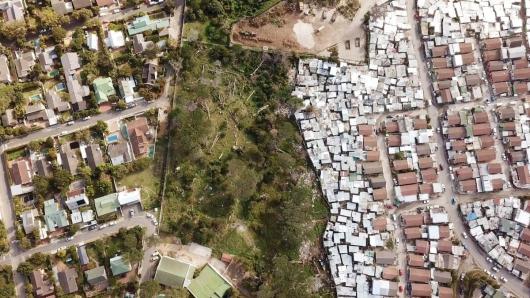
This course reviews development policy making in urban areas, focusing on differing economic, demographic, institutional, and political settings. Course topics include a critical analysis of the continuing viability of cities in the context of current economic and demographic dynamics, fiscal stress, governance, economic development, poverty and race, drugs, homelessness, federal urban policy, and survival strategies for declining cities. The course considers economic development, social equity, and job growth in the context of metropolitan regions, and addresses federal, state, and local government strategies for expanding community economic development and affordable housing opportunities. Of special concern is the continuing spatial and racial isolation and concentration of low-income populations, especially minority populations, residing in urban communities including older, industrial cities. The course examines how market forces and pressures affect the availability of affordable housing, exacerbate the impacts of gentrification, and inhibit the availability of capital for affordable housing and economic development. It also examines how issues around growing housing affordability problems, the changing structure of capital markets, the reduction of low-skilled jobs in central city locations, and racial discrimination combine to limit housing and employment opportunities.