Learn about the Quran, the central sacred text of Islam, through an exploration of the rich diversity of roles and interpretations in Muslim societies.
Learn about the rich and diverse beliefs and practices of Buddhists across time and place. Experience Buddhism through its scriptures, both relationally as well as academically.
Learn how American women created, confronted, and embraced change in the 20th century while exploring ten objects from Radcliffe’s Schlesinger Library.
Learn fundamental principles of architecture — as an academic subject or a professional career — by studying some of history’s most important buildings.
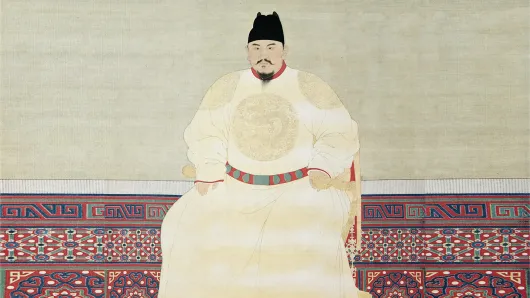
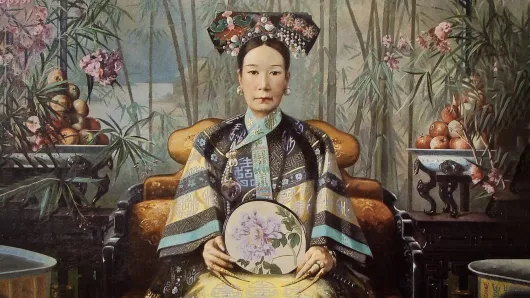
Why should we care about Confucius? Explore ancient Chinese philosophy, ethics, and political theory to challenge your assumptions of what it means to be happy, live a meaningful life, and change the world.
Get the opportunity to see TinyML in practice. You will see examples of TinyML applications, and learn first-hand how to train these models for tiny applications such as keyword spotting, visual wake words, and gesture recognition.
Learn how a Culture of Health can transform your business by integrating worker, customer, community, and environmental well-being for sustainable success.
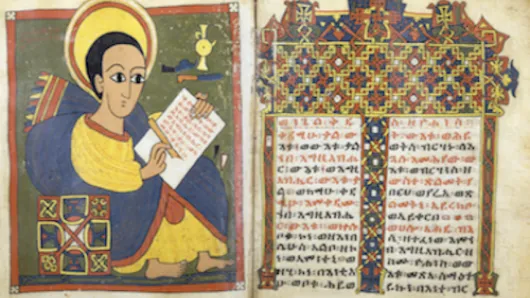
Learn about Christianity through a study of its sacred scriptures. We will explore how diverse Christians have interpreted these writings and practiced their teachings over a 2000 year, global history.
The Introduction to Nonprofit Accounting and Financial Statements webinars provide a great opportunity to learn the basic principles of nonprofit accounting.
Contracts are a part of our everyday life, arising in collaboration, trust, promise and credit. How are contracts formed? What makes a contract enforceable? What happens when one party breaks a promise?
Examine how cultures of the ancient world defined themselves through literature and how their vision of literature contributes to our understanding of civilization, culture, and literature today.
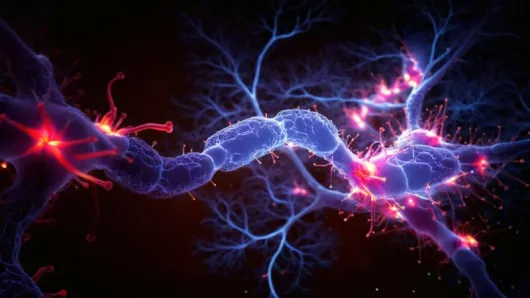
Equipping clinicians with an up‑to‑date, comprehensive understanding of stem cell–based approaches for Parkinson’s disease, including biological rationale, current trial outcomes, comparison with existing therapies, and guidance for evidence.
Learn skills and tools that support data science and reproducible research, to ensure you can trust your own research results, reproduce them yourself, and communicate them to others.
Explore the roles that microbes play in the production, preservation, and enhancement of diverse foods in a variety of culinary traditions, and learn about the history of food fermentations.
Gain an understanding of history, museum studies, and curation by looking at, organizing, and interpreting art, artifacts, scientific curiosities, and the stuff of everyday life.