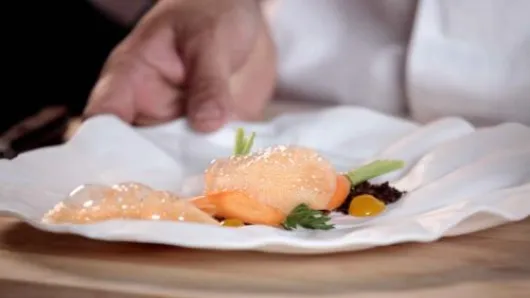
Top chefs and Harvard researchers explore how traditional and modernist cooking techniques can illuminate basic principles in chemistry, physics, and engineering. Learn about elasticity, viscosity, mayonnaise, baking, and more!
This course introduces learners to Machine Learning Operations (MLOps) through the lens of TinyML (Tiny Machine Learning). Learners explore best practices to deploy, monitor, and maintain (tiny) Machine Learning models in production at scale.
Gain an understanding of history, museum studies, and curation by looking at, organizing, and interpreting art, artifacts, scientific curiosities, and the stuff of everyday life.
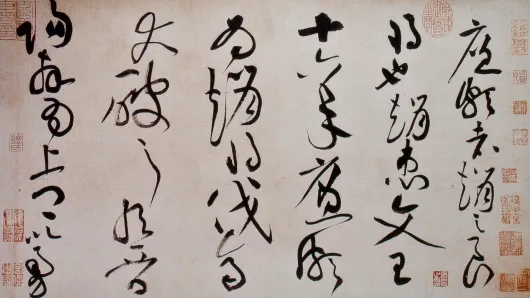
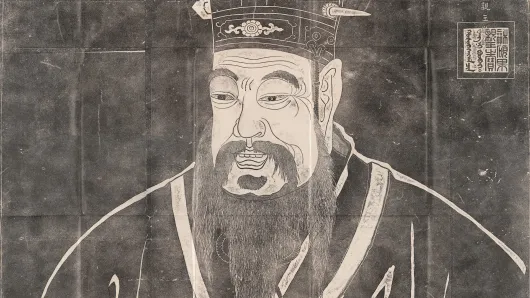
Why should we care about Confucius? Explore ancient Chinese philosophy, ethics, and political theory to challenge your assumptions of what it means to be happy, live a meaningful life, and change the world.
Learn skills and tools that support data science and reproducible research, to ensure you can trust your own research results, reproduce them yourself, and communicate them to others.
The Introduction to Nonprofit Accounting and Financial Statements webinars provide a great opportunity to learn the basic principles of nonprofit accounting.
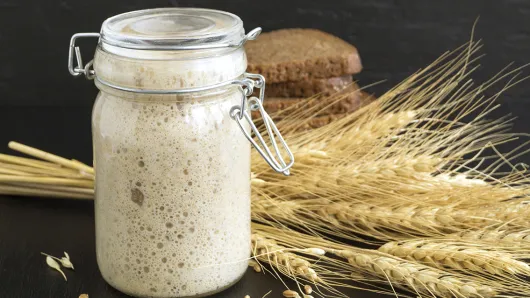
Explore the roles that microbes play in the production, preservation, and enhancement of diverse foods in a variety of culinary traditions, and learn about the history of food fermentations.
This course examines the Sikh scripture from a doctrinal and historical perspective by providing an overview of Sikh teachings as well as the historical context within which the scripture evolved and became canonized.