Designed for current and aspiring nonprofit leaders, this course helps learners build the confidence needed to make stronger financial decisions in mission-driven organizations.
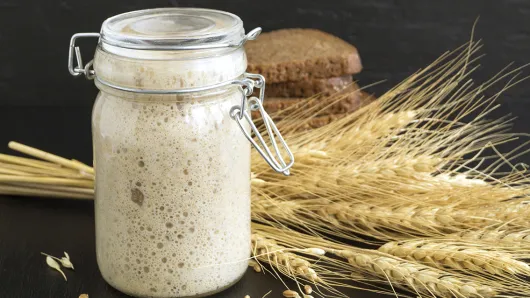
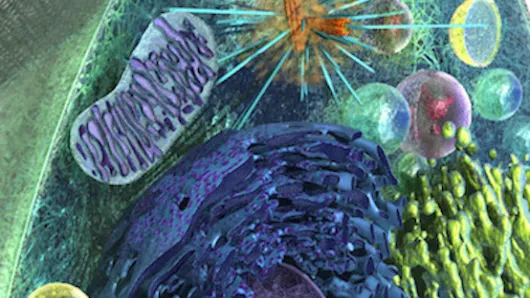
Explore the roles that microbes play in the production, preservation, and enhancement of diverse foods in a variety of culinary traditions, and learn about the history of food fermentations.
Learn about the rich and diverse beliefs and practices of Buddhists across time and place. Experience Buddhism through its scriptures, both relationally as well as academically.
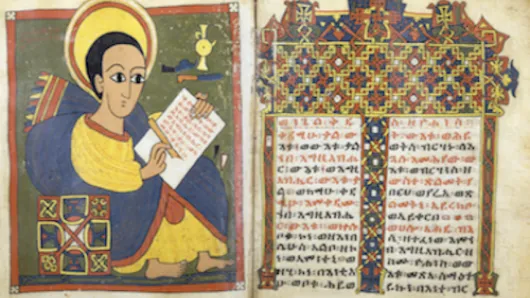
Learn about Christianity through a study of its sacred scriptures. We will explore how diverse Christians have interpreted these writings and practiced their teachings over a 2000 year, global history.
Top chefs and Harvard researchers explore how traditional and modernist cooking techniques can illuminate basic principles in chemistry, physics, and engineering. Learn about elasticity, viscosity, mayonnaise, baking, and more!
Increase your quantitative reasoning skills through a deeper understanding of probability and statistics, with the engaging “Fat Chance” approach that’s made this course a favorite among learners worldwide.