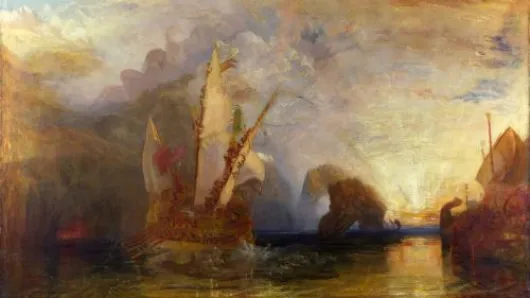
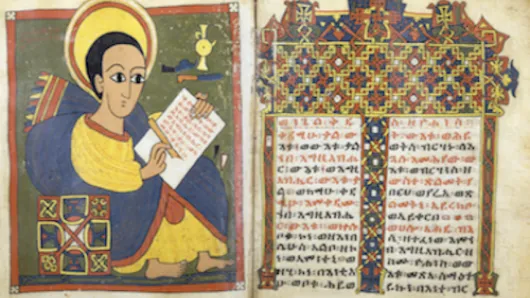
Examine how cultures of the ancient world defined themselves through literature and how their vision of literature contributes to our understanding of civilization, culture, and literature today.
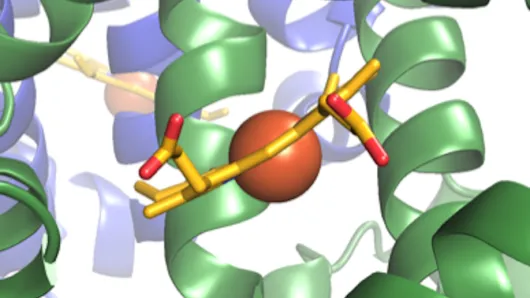
Top chefs and Harvard researchers explore how everyday cooking and haute cuisine can illuminate basic principles in chemistry, physics, and engineering. Learn about food molecules and how chemical reactions can affect food texture and flavor.
Get the opportunity to see TinyML in practice. You will see examples of TinyML applications, and learn first-hand how to train these models for tiny applications such as keyword spotting, visual wake words, and gesture recognition.
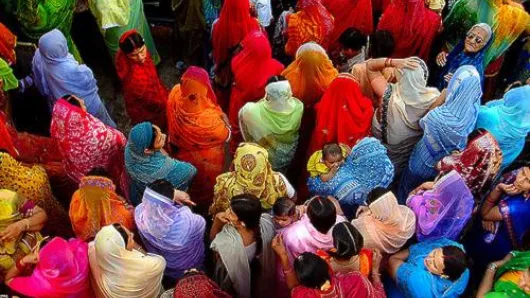
Examine how great modern writers capture the intricacies of our globalized world and how their works circulate within that world to find their own audiences.
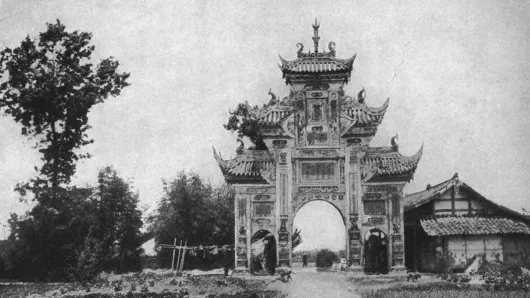
Why should we care about Confucius? Explore ancient Chinese philosophy, ethics, and political theory to challenge your assumptions of what it means to be happy, live a meaningful life, and change the world.
Learn about Christianity through a study of its sacred scriptures. We will explore how diverse Christians have interpreted these writings and practiced their teachings over a 2000 year, global history.
This course examines the Sikh scripture from a doctrinal and historical perspective by providing an overview of Sikh teachings as well as the historical context within which the scripture evolved and became canonized.
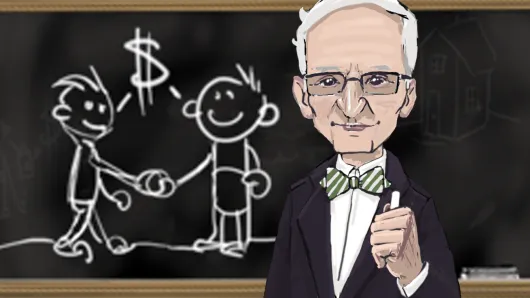
Contracts are a part of our everyday life, arising in collaboration, trust, promise and credit. How are contracts formed? What makes a contract enforceable? What happens when one party breaks a promise?
Gain an understanding of history, museum studies, and curation by looking at, organizing, and interpreting art, artifacts, scientific curiosities, and the stuff of everyday life.
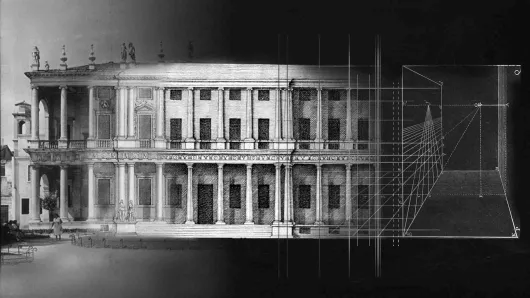
Learn fundamental principles of architecture — as an academic subject or a professional career — by studying some of history’s most important buildings.