By integrating nutrition expertise with behavior change strategies, the learning journey supports health and wellness professionals in acquiring advanced capabilities to drive lasting health and wellness outcomes.
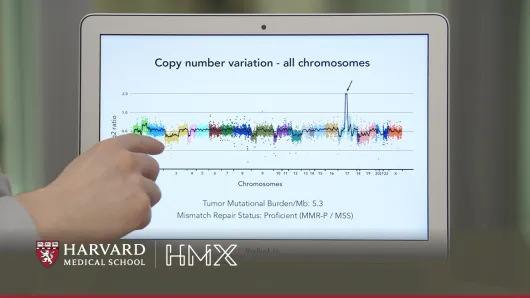
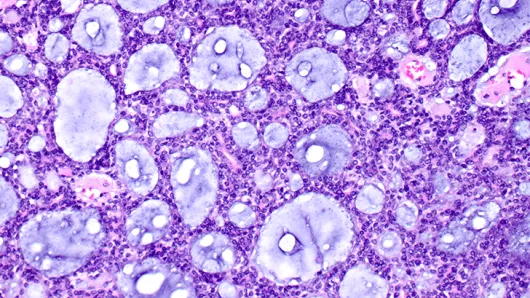
Refine your diagnostic skills in surgical pathology with this expert-led five-day live virtual course from Harvard Medical School, featuring real cases, subspecialty insights, and practical strategies for clinical excellence.
Equipping clinicians with an up‑to‑date, comprehensive understanding of stem cell–based approaches for Parkinson’s disease, including biological rationale, current trial outcomes, comparison with existing therapies, and guidance for evidence.
The Executive Program for Senior Life Sciences Leaders will equip you with the tools to lead effectively and address the gap between traditional leadership roles and the modern demands of the life sciences industry.
The Building a Life of Wellness: The Science of Fostering Happiness and Health Span program blends the latest research on well-being with evidence-based techniques to cultivate and sustain long-term relationships, which supports health and wellness.
Explore the intricate dynamics that shape the U.S. health care payer landscape, including the roles of private insurers, government programs such as Medicare and Medicaid, ACA-sponsored state exchanges, and self-pay options.
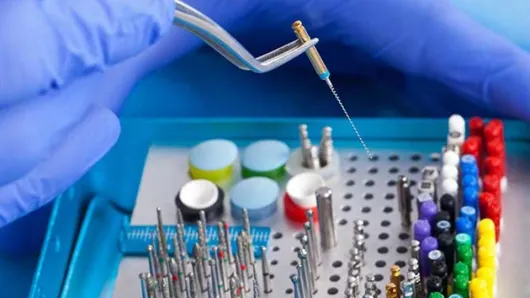
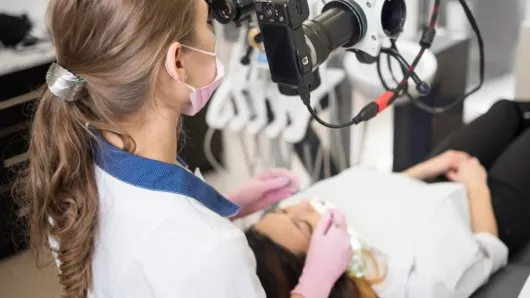
In this one-hour webinar, Dr. Ali Nasseh will explore the evolution of endodontic surgery from traditional apicoectomy techniques to contemporary microsurgical approaches that incorporate magnification, enhanced illumination, advanced biomaterials, and mi
Physicians including dermatologists, plastic surgeons, facial plastics and ophthalmologists can rely on this program for the latest advances and techniques in laser and aesthetic skin therapy.
In this webinar, Dr. Paul Aaron Levi, Jr. will explore the pathogenesis of periodontal and peri-implant infections and the central role of biofilm in disease initiation and progression.
This immersive one-day executive education program brings together internationally recognized leaders in orthodontics and interdisciplinary dentistry to explore how collaborative treatment planning improves patient outcomes and enhances clinical decision-
In partnership with the Disparities Solutions Center at Massachusetts General Hospital, this course will help you deliver high-quality health care to all through organizational change.
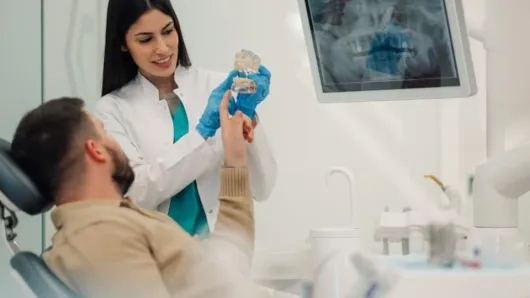
Join internationally recognized implantologist and prosthodontist Dr. German Gallucci as he explores contemporary digital workflows that support predictable, efficient implant rehabilitation.
The importance of reducing the mental health care gap has never been more critical. The current reality of limited financial resources, stigma associated with mental health problems, and too few professionals to support the vast mental health needs of the
The program’s curriculum prepares leaders to make informed decisions and envision strategic AI implementation in the unique cultural, economic and regulatory context of health care.