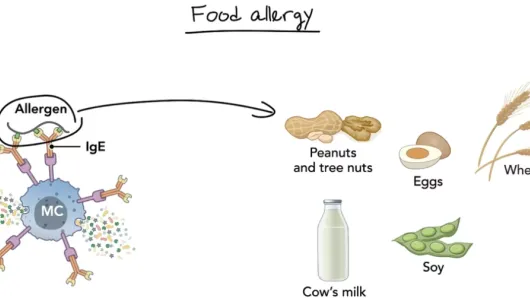
Learn about the immunological principles of allergic diseases, including asthma, food allergies, and atopic dermatitis, and explore how these conditions can be treated and prevented.
Explore the fundamental principles that guide ethical decision-making within health care environments: patient autonomy, the obligation to do good, the obligation to avoid harm, and justice.
Equip adult and pediatric clinicians across disciplines with practical strategies to confidently assess, communicate with, and support patients and families living with serious illness—skills they can apply immediately in clinical practice.
The new Foundations of Palliative Care course, offered through the Harvard Medical School Center for Palliative Care, will provide a focused approach for entering the practice of palliative care.
Panic attacks, phobias, social anxiety disorder, obsessive-compulsive disorder (OCD), and post-traumatic stress disorder (PTSD) can disrupt your life. Find out what you can do to manage these conditions and others.
Health care organizations need leaders who can deliver high-quality, compassionate care to patients while driving innovation and systemic change. Gain tools to transform your organization and lead boldly in a complex and rapidly evolving landscape.
Expand your clinical expertise and improve patient care by enrolling in this expert-led, evidence-based course that delivers essential strategies for diagnosing, managing, and treating medical conditions unique to and prevalent in women.
Equipping clinicians with an up‑to‑date, comprehensive understanding of stem cell–based approaches for Parkinson’s disease, including biological rationale, current trial outcomes, comparison with existing therapies, and guidance for evidence.
Enhance your ability to manage capacity effectively by gaining essential knowledge and strategies to streamline care and improve outcomes for patients undergoing stem cell transplants or CAR T-cell therapies.
This course, the first of its kind for CME, trains healthcare professionals at all levels to facilitate and apply Visual Thinking Strategies (VTS) techniques and mindsets in classrooms, meetings, clinics, and hospitals.
Explore digital innovations set to reshape the health care landscape in the U.S. and worldwide. Gain an in-depth understanding of how they will revolutionize health care delivery, enhance patient care, and drive improved clinical outcomes.
The Executive Program for Senior Life Sciences Leaders will equip you with the tools to lead effectively and address the gap between traditional leadership roles and the modern demands of the life sciences industry.
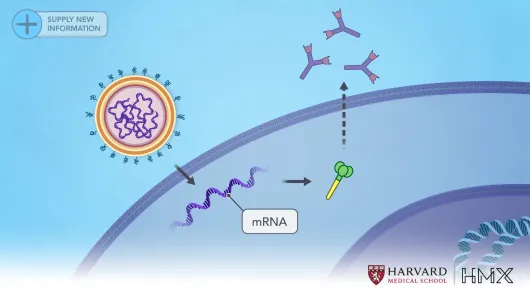
This advanced course offers a unique way for professionals to learn from leading Harvard Medical School faculty and industry leaders about nucleic acid therapeutics.
Update in Clinical Cardiology delivers a comprehensive review of the latest evidence-based approaches to cardiovascular evaluation, treatment, and procedures.
This advanced course offers a unique way for professionals to learn from leading Harvard Medical School faculty and industry leaders about nucleic acid therapeutics.